Best Emotional Support Animals for Tennessee Apartments — A Clinician-Vetted Lineup
Finding the right emotional support animal for an apartment in Nashville, Knoxville, Memphis, or any of Tennessee's growing urban corridors is a decision that deserves more thought than a quick internet search. The animal you choose will share your living space, influence your daily routine, and—when paired with a valid ESA letter from a licensed mental health professional—may be protected under the Fair Housing Act's reasonable accommodation provisions. Getting that pairing right matters enormously, both for your therapeutic outcomes and for your relationship with your landlord.
HUD's guidance notice FHEO-2020-01, Assessing a Person's Request to Have an Animal as a Reasonable Accommodation Under the Fair Housing Act, makes clear that housing providers covered by the FHA must engage in an interactive process when a tenant presents a legitimate ESA letter issued by a licensed mental health professional (LMHP). What the guidance does not specify is which animal species will best serve your mental health needs—that determination belongs to the clinician and to you. What this article offers is an evidence-informed, clinician-vetted starting point: a ranked lineup of the animals most commonly recommended for Tennessee apartment dwellers, along with practical guidance on what makes each one a reasonable choice.
Before diving in, a word on process: no animal automatically qualifies you for an ESA letter. A Tennessee-licensed mental health professional will evaluate whether you have a qualifying disability, whether an emotional support animal would provide meaningful therapeutic benefit, and whether that specific animal is appropriate for your circumstances. This article is purely informational and does not constitute medical, mental health, or legal advice. Please consult a Tennessee-licensed clinician for personalized guidance, and a Tennessee-licensed attorney for any housing dispute.
What Makes an ESA "Apartment-Friendly" in Tennessee?
Tennessee's apartment rental market spans everything from compact studio units in Midtown Memphis to sprawling multi-family complexes in the Brentwood and Franklin suburbs. Regardless of the setting, four practical criteria define whether an emotional support animal is likely to thrive—and to be accepted—in an apartment environment:
- Noise level: Animals that vocalize frequently or at high volume create friction with neighbors and property managers, even when FHA protections apply.
- Space requirements: Some animals need significant room to move, exercise, or engage in natural behaviors. An animal kept in undersized conditions may develop stress-related behaviors that undermine its own therapeutic value.
- Allergen and hygiene footprint: High-shedding animals or those with complex habitat needs can complicate the landlord-tenant relationship, even when the accommodation is lawful.
- Clinical evidence of benefit: A licensed clinician will consider whether the proposed animal has a plausible, evidence-supported connection to alleviating your specific symptoms—not simply whether you love the species.
With those criteria in mind, the following lineup represents the animals most frequently identified by mental health professionals as strong candidates for apartment-based emotional support in Tennessee. They appear in rough order of clinical prevalence and practical suitability—not as a definitive ranking, because individual circumstances always govern the final decision.
1. Dogs — The Gold Standard of Emotional Support
Why Dogs Remain the Most Clinically Referenced ESA Choice
Dogs have accumulated the deepest body of peer-reviewed research supporting their role in reducing anxiety, depression, loneliness, and PTSD symptom severity. Their attunement to human emotional states—an evolutionary trait refined over thousands of years of co-domestication—makes them uniquely positioned to respond to distress cues in real time. For Tennessee residents managing conditions that a licensed clinician might determine could benefit from consistent companionship and tactile comfort, a dog often represents the most therapeutically robust choice available.
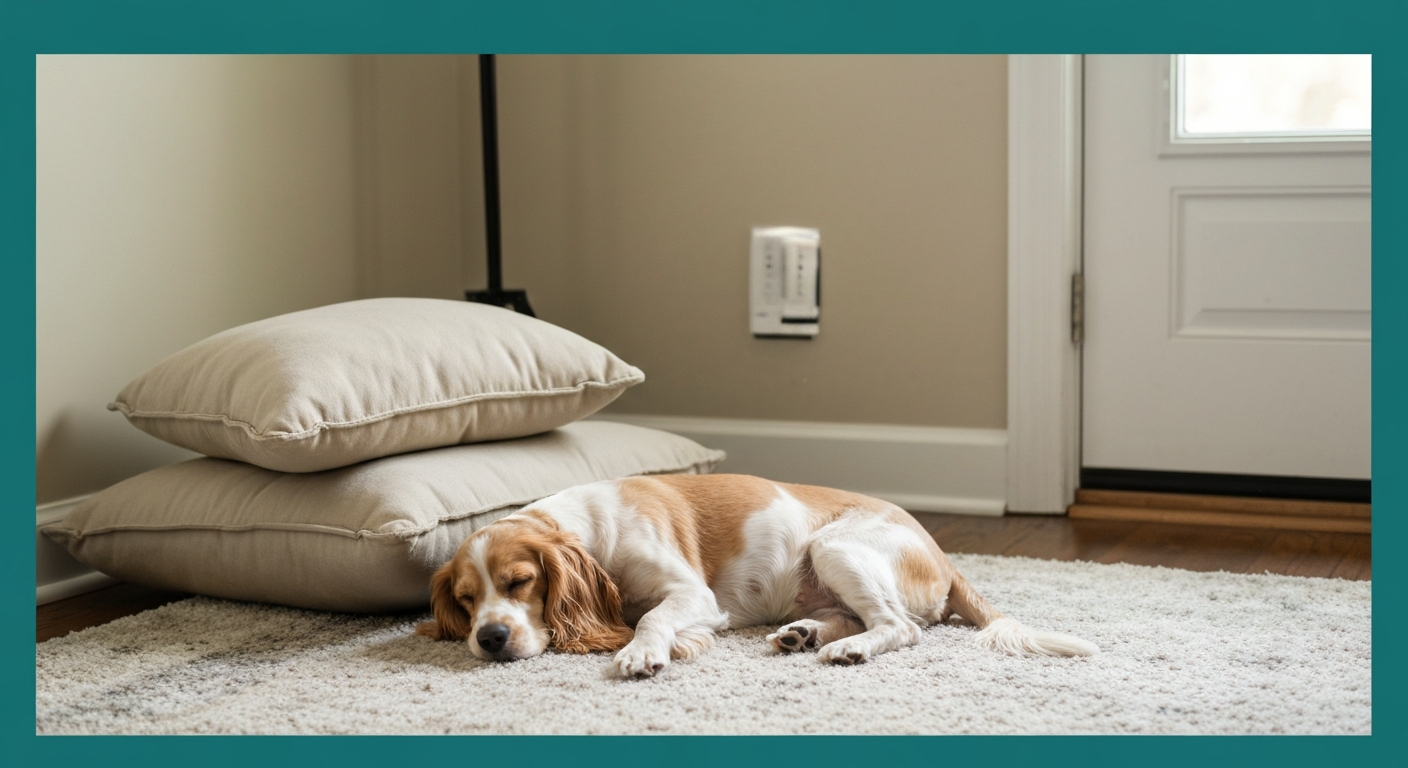
In apartment settings, however, not all dogs are equal. Large, high-energy breeds that were developed for working or herding tasks may struggle in confined spaces, potentially developing anxiety behaviors—ironic, given the animal's intended purpose. Clinicians and animal behaviorists tend to favor smaller, calmer, low-shedding breeds for apartment environments: think Cavalier King Charles Spaniels, French Bulldogs, Bichon Frises, Shih Tzus, and certain mixed-breed dogs whose temperament has been assessed individually. Tennessee's warmer climate also argues for dogs that are not heavily coat-dependent, as apartment air conditioning can only do so much during a Nashville July.
It is worth noting that some Tennessee apartment complexes maintain breed or weight restrictions in their standard lease agreements. Under the FHA, a housing provider is generally required to waive those restrictions as a reasonable accommodation when a valid ESA letter is presented—but the interactive process takes time, and landlords may make individual assessments. Consulting a Tennessee ESA housing letter and FHA accommodation guide before approaching your property manager can help you navigate that conversation with confidence and documentation.
Practical Takeaway: If a licensed clinician determines that a dog is therapeutically appropriate for you, prioritize temperament and energy level over breed aesthetics. A calm, quiet, apartment-adapted dog with a documented therapeutic relationship is a far stronger ESA candidate than a high-drive breed chosen for its appearance. Explore our detailed guide to ESA dog breeds best suited to Tennessee apartments for breed-by-breed analysis.
2. Cats — Quiet Comfort for High-Density Living
A Clinician-Recognized Alternative With a Lighter Housing Footprint
Cats represent the second most frequently recommended emotional support animal for apartment dwellers, and for good reason. Their relatively low noise output, independence during daytime hours, and smaller spatial footprint make them an inherently apartment-compatible species. For Tennessee renters in dense urban buildings—where noise travels easily and neighbors share thin walls—a cat often creates fewer friction points with property management than a dog, while still delivering meaningful therapeutic presence.
The clinical literature supporting cats as emotional support animals, while less voluminous than the dog-focused research, is nonetheless substantive. Studies have associated cat ownership with reduced cardiovascular stress responses and lower rates of reported loneliness. Cats also tend to be self-regulating in their interaction: they approach when a person needs connection and withdraw when they prefer solitude, a dynamic that many individuals managing anxiety or mood disorders find genuinely regulating. For someone whose symptoms include social overstimulation or sensory sensitivity, a cat's less demanding relational style may actually be more therapeutic than a dog's constant attentiveness.
Tennessee landlords occasionally raise concerns about allergens or carpet damage. Under FHEO-2020-01, these concerns may be considered as part of the interactive process, but they do not automatically override a legitimate accommodation request. A tenant who can demonstrate responsible pet care history and present a well-documented ESA letter from a licensed clinician is in a strong position. For a deeper look at cat-specific considerations, our Tennessee ESA cats guide walks through breeds, temperaments, and documentation best practices.
Practical Takeaway: Cats are an excellent option for Tennessee apartment dwellers who want meaningful emotional support without the noise, exercise, and outdoor-access demands of a dog. If a licensed clinician determines a cat is therapeutically appropriate, focus on adopting an adult cat with a known, calm temperament rather than an unknown-history kitten.
3. Rabbits — A Surprisingly Robust ESA for Small Spaces
Gentle, Quiet, and Increasingly Recognized by Mental Health Professionals
Rabbits occupy a niche that surprises many apartment dwellers: they are social, responsive, and capable of forming genuine bonds with their human companions, yet they produce almost no disruptive noise. A well-socialized rabbit will seek out interaction, respond to its name, and engage in calm tactile exchanges—behaviors that clinicians note can interrupt anxiety spirals and provide grounding during moments of emotional dysregulation. For individuals who find dogs too demanding or who live in buildings where dogs are more aggressively restricted, a rabbit may represent a genuinely viable therapeutic alternative.
In Tennessee apartments, rabbits carry a very light logistical footprint. They require a sufficiently large enclosure, daily hay and fresh vegetables, and regular out-of-enclosure time in a bunny-proofed space—requirements that are easily managed in even a modest one-bedroom unit. They do not bark, do not scratch at doors, and, when properly litter-trained, maintain relatively hygienic living conditions. Certain rabbit breeds, particularly larger, calmer varieties like the Holland Lop or Mini Rex, are especially well-suited to apartment life due to their docile temperaments and manageable energy levels.
Landlords in Tennessee are sometimes unfamiliar with rabbits as ESAs and may initially express skepticism. The FHA's reasonable accommodation provisions apply to all species when the therapeutic connection is documented by a licensed LMHP—not just to dogs and cats. Having a clearly written, clinician-issued ESA letter that articulates the therapeutic rationale is essential. Our comprehensive Tennessee rabbit ESA guide covers the housing conversation in detail, including how to address common landlord objections.
Practical Takeaway: Rabbits are an underrated but clinically plausible ESA option for Tennessee apartment renters, particularly those for whom tactile comfort and calm companionship are the primary therapeutic goals. Ensure your enclosure setup is humane and appropriate before beginning the letter process.
4. Guinea Pigs — Gentle, Low-Commitment Companionship
Small Footprint, Genuine Emotional Responsiveness
Guinea pigs are among the most underappreciated emotional support animals for apartment living. They are social by nature—ideally kept in pairs or small groups—and communicate through a range of soft vocalizations, including the distinctive "wheek" that many owners describe as genuinely cheerful. Their small size, modest habitat requirements, and minimal noise profile make them a low-friction choice for apartment environments, and their social responsiveness—greeting familiar caregivers, seeking physical contact, and responding to routine—provides the kind of predictable companionship that can be grounding for individuals managing anxiety or depression.
From a clinical standpoint, small animals like guinea pigs have been incorporated into animal-assisted therapy programs for decades, particularly with populations who benefit from the responsibility of animal care—routine feeding, cleaning, and social interaction—as a structuring element of daily mental health management. A licensed clinician evaluating your request may consider whether the caregiving routine itself, in addition to the companionship, contributes to your therapeutic goals. That holistic framing is increasingly part of how mental health professionals think about ESA appropriateness.
Tennessee apartment managers rarely have strong objections to guinea pigs given their minimal impact on the physical property, but a valid ESA letter remains necessary to ensure FHA protection applies and that you cannot be charged pet fees or deposits for your accommodation animal. As with all ESA species, the letter must come from a licensed mental health professional—not an online registry, not a veterinarian, and not a general wellness coach.
Practical Takeaway: Guinea pigs are an excellent choice for Tennessee apartment dwellers who want social, responsive companionship with minimal space demands. Consider adopting a bonded pair—guinea pigs are genuinely social animals and tend to thrive with a companion of their own species.
5. Birds — Structured Interaction and Cognitive Engagement
For Certain Therapeutic Profiles, Avian Companionship Offers Distinct Benefits
Birds occupy a unique therapeutic niche. Their cognitive engagement, vocalization, and need for daily structured interaction make them particularly well-suited for individuals whose mental health goals include increasing daily routine adherence, reducing social withdrawal, or maintaining cognitive stimulation. Species like cockatiels, parakeets (budgerigars), and lovebirds are most commonly recommended for apartment settings due to their manageable size, moderate noise levels, and genuine social bond-forming capacity. Larger parrots—African Greys, Macaws, Cockatoos—while therapeutically engaging, produce noise levels that can create significant conflict in multi-unit Tennessee apartment buildings.
A licensed clinician considering a bird as an ESA will typically assess whether the client can meet the animal's needs responsibly—birds, particularly parrots, have significant social and environmental requirements that, if unmet, can result in stress-related behaviors including excessive screaming or feather-destructive behavior. This is not a reason to avoid birds; it is a reason to be honest with your clinician about your lifestyle, schedule, and living situation so that the recommendation is genuinely in both your interest and the animal's.
Tennessee apartment landlords are entitled, under FHEO-2020-01, to assess whether an animal poses a direct threat to property or to other residents that cannot be mitigated. While this standard is a high bar and applies to all species, noise-related concerns about birds may be raised. A clinician-issued ESA letter that clearly articulates the therapeutic rationale and that specifically addresses the proposed species strengthens your accommodation request considerably.
Practical Takeaway: Birds are a clinically plausible ESA option for specific therapeutic profiles, particularly when structured daily care and cognitive engagement are therapeutic goals. Choose a smaller species appropriate for apartment living, and be transparent with your clinician about your daily schedule and the bird's needs.
6. Miniature Pigs — A Legitimate Option That Requires Serious Research
Legally Protectable Under the FHA, But Not Without Practical Complexity
Miniature pigs—often marketed as "teacup" or "micro" pigs—have a modest but growing presence in the ESA landscape. Pigs are highly intelligent, emotionally attuned animals with documented capacity for forming bonds with human caregivers. Their intelligence, which rivals that of dogs in many assessments, makes them engaging companions for individuals who benefit from interactive, responsive animal relationships. Mental health professionals do, in specific circumstances, determine that a miniature pig is a therapeutically appropriate ESA.
However, Tennessee apartment dwellers considering a miniature pig as an ESA should conduct thorough due diligence before proceeding. First, many municipalities in Tennessee have local ordinances that classify pigs as livestock, potentially restricting their presence in residential areas regardless of FHA protections—FHA housing rights do not override local zoning laws in all circumstances. Consulting a Tennessee-licensed attorney is strongly advised before pursuing this option. Second, the "miniature" in miniature pig is often misleading: many pigs marketed as small adults grow to 60–150 pounds, which has meaningful implications for apartment living. Third, pigs have significant rooting, social, and environmental needs that require honest self-assessment.
If a licensed clinician determines a miniature pig is therapeutically appropriate for your specific situation, the FHA's reasonable accommodation framework does apply to this species under FHEO-2020-01. The documentation burden, however, is likely to be higher, and the landlord's interactive process more involved. Approach this option with thorough research and qualified professional guidance.
Practical Takeaway: Miniature pigs are a legally protectable but practically complex ESA option for Tennessee apartments. Verify local zoning, consult a Tennessee-licensed attorney, and be fully transparent with your clinician about the animal's likely adult size and care requirements before proceeding.
7. Ferrets — An Unconventional Choice With Genuine Therapeutic Potential
Playful, Social, and Surprisingly Apartment-Compatible
Ferrets are legal to own in Tennessee (unlike some states that restrict or ban them) and represent a genuinely underexplored ESA option for certain individuals. They are highly social, playful, and curious animals that form strong attachments to their human caregivers. Their energy—delivered in short bursts of play followed by long sleeping periods—makes them compatible with apartment schedules. For individuals managing depression or low motivation, a ferret's insistent, playful demands for interaction can provide a reliable and engaging reason to engage with the day.
Ferrets do have a distinctive natural musk that some find off-putting, though this is substantially reduced in spayed or neutered animals. Their habitat needs are modest—a multi-level cage with daily out-of-enclosure playtime in a ferret-proofed space—and their noise level is minimal. From an apartment-friendliness standpoint, ferrets occupy a similar tier to rabbits: low noise, moderate space requirements, and minimal property impact when properly managed.
A licensed clinician evaluating ferrets as an ESA will typically consider the individual's therapeutic goals and their capacity to meet the animal's social and enrichment needs. Ferrets are among the species that benefit most from a bonded pair arrangement, so clinicians may discuss whether a single ferret or a pair best serves both the human's and the animal's wellbeing. As with all ESA species, the letter must be issued by a Tennessee-licensed LMHP to carry weight in a housing accommodation request.
Practical Takeaway: Ferrets are a legitimate and apartment-friendly ESA option for Tennessee renters, particularly those who benefit therapeutically from playful, interactive companionship. Confirm that your apartment building's policies do not contain an unusual ferret-specific restriction, and ensure your ESA letter is issued by a licensed clinician in Tennessee.
8. Fish — Underestimated, Calming, and Nearly Frictionless
When the Therapeutic Goal Is Calm and Sensory Regulation
Fish are rarely the first animal that comes to mind when the term "emotional support animal" is mentioned, yet the research supporting the calming effects of watching fish in aquariums is more robust than most people realize. Studies conducted in healthcare and dental settings have documented measurable reductions in anxiety and blood pressure associated with aquarium observation. For individuals whose primary therapeutic goals include anxiety reduction, relaxation, and sensory grounding—without the demands of a more interactive animal—a well-maintained freshwater or marine aquarium may be precisely what a licensed clinician recommends.
From an apartment-friendliness perspective, fish are as close to frictionless as an ESA can be. They produce no noise, no allergens, no dander, and virtually no risk of property damage beyond a contained water spill. Most Tennessee apartment landlords—even those with strict no-pets policies—find fish accommodations entirely unremarkable. The FHA reasonable accommodation framework still applies, and a valid ESA letter is still required to ensure you are protected from any pet fees or policies that might otherwise apply, but the practical friction of this accommodation request is typically minimal.
A licensed clinician would evaluate whether fish genuinely address the individual's documented disability-related needs. The therapeutic benefit of fish is real but specific—it centers on calm observation and the structuring effect of aquarium care routines. For individuals who need interactive, responsive companionship as a primary therapeutic goal, fish may supplement but not fully replace a more interactive ESA. For those whose needs center on anxiety regulation and sensory calm, fish may be entirely sufficient.
Practical Takeaway: Fish are an excellent ESA option for Tennessee apartment dwellers whose therapeutic goals center on anxiety reduction and sensory calming. A well-maintained aquarium creates a genuinely therapeutic environment with virtually no housing friction—but a valid, clinician-issued ESA letter is still the appropriate documentation to have in place.
Getting the Process Right: The Tennessee ESA Letter
Your Letter Is Only as Strong as the Clinician Who Signs It
Across every species on this list, one truth applies universally: the therapeutic and legal legitimacy of your ESA arrangement rests on the quality of the ESA letter issued by your licensed mental health professional. In Tennessee, a valid ESA letter must be authored by an LMHP licensed in the state of Tennessee—this may include a Licensed Clinical Social Worker (LCSW), Licensed Professional Counselor (LPC), Licensed Marriage and Family Therapist (LMFT), psychologist, psychiatrist, or, in appropriate circumstances, a licensed primary-care provider. The letter must document that you have a qualifying disability under the FHA's definition and that the ESA provides therapeutic benefit related to that disability.
Online "ESA registries" that sell certificates, ID cards, or badges are not recognized under federal or Tennessee law. HUD has explicitly stated that these registrations carry no legal weight and that landlords are not required to honor them. A certificate from an online registry is not a substitute for a letter from a licensed clinician. Fly-by-night online services that offer "instant approval" or guarantee housing accommodation without a genuine clinical evaluation are not only ineffective—they may expose you to housing disputes you are unprepared to navigate.
The process through a legitimate provider like ESA Letter Tennessee involves a real clinical evaluation conducted by a licensed Tennessee mental health professional who will assess your individual circumstances, ask meaningful clinical questions, and make a professional determination about whether an ESA is therapeutically appropriate for you. Approval is never guaranteed, because a genuine clinical evaluation cannot ethically guarantee any predetermined outcome. What a legitimate process does guarantee is that if a letter is issued, it is clinically sound, legally credible, and defensible in a housing accommodation context.
For a detailed walkthrough of the FHA accommodation process in Tennessee—including what to submit to your landlord, what questions they may legally ask, and how to handle a denial—see our Tennessee ESA housing letter and FHA protections guide.
Supporting Your ESA's Wellbeing: Training and Behavioral Foundations
A Well-Adjusted Animal Is a More Effective Therapeutic Partner
Regardless of which species a licensed clinician determines is appropriate for your situation, the therapeutic value of an emotional support animal is substantially enhanced when the animal is well-adjusted, behaviorally stable, and accustomed to the apartment environment. An anxious dog, an understimulated rabbit, or an improperly socialized guinea pig may inadvertently add stress to a living environment rather than reduce it—which undermines the fundamental purpose of the accommodation.
Basic behavioral foundations—consistent routine, appropriate enrichment, positive reinforcement-based handling, and gradual habituation to apartment-specific stimuli like elevators, hallways, and neighboring sounds—make a meaningful difference in how an ESA functions in a high-density living environment. This is not about training an ESA to perform specific tasks (that is the domain of service animals), but about ensuring the animal is calm, confident, and capable of providing the emotional presence it is meant to offer. Our Tennessee ESA training basics guide provides accessible, species-appropriate behavioral guidance to help you build a stable foundation with your support animal.
Practical Takeaway: Invest time in your ESA's behavioral wellbeing. A calm, well-adjusted animal is not only a better therapeutic partner—it also creates far fewer friction points with Tennessee apartment management, making your accommodation experience smoother from the first day forward.
A Note on Species Not Listed Here
The FHA's reasonable accommodation provisions are not limited to a pre-approved list of species. A licensed clinician may, in appropriate circumstances, determine that a reptile, a hedgehog, a hamster, or another species provides genuine therapeutic benefit for a specific individual. The species lineup in this article reflects clinical prevalence and practical apartment suitability—not an exhaustive catalogue of every legally protectable ESA. If you believe a species not listed here may be therapeutically appropriate for your needs, the right conversation to have is with a Tennessee-licensed mental health professional, not with a search engine.
Important Disclaimer: This article is provided for informational purposes only and does not constitute medical, mental health, or legal advice. The information contained herein is not a substitute for individualized evaluation by a qualified licensed mental health professional. Whether an emotional support animal is therapeutically appropriate for you, and which species may best serve your needs, is a determination that must be made by a licensed clinician based on your specific circumstances. For housing disputes or questions about FHA enforcement, please consult a Tennessee-licensed attorney or contact your local legal aid office. ESA Letter Tennessee does not guarantee that any individual will qualify for an ESA letter; clinical determinations are made on an individual basis by licensed professionals.
Ready to Take the Next Step?
If you believe you may benefit from an emotional support animal in your Tennessee apartment, the most important action you can take is to connect with a licensed mental health professional for an honest, individualized evaluation. ESA Letter Tennessee connects Tennessee residents with licensed clinicians who conduct genuine, thorough assessments and—when clinically appropriate—issue fully compliant ESA letters recognized under the Fair Housing Act. Explore our resources, read about your rights under FHEO-2020-01, and when you are ready, begin the process with a clinician who takes both your mental health and your housing situation seriously.
Ready to start your Tennessee ESA letter?
Licensed Tennessee clinician review. Compliant with state law.
Get My Tennessee ESA Letter